


-560x560.jpg)
How to Diagnose Transponder Key Problems
How to Diagnose Transponder Key Problems
Every locksmith encounters vehicles that crank but will not start. The transponder system is often the culprit. Developing a systematic approach to transponder diagnostics helps you solve problems faster and avoid unnecessary key replacements.
Understanding the Transponder System
Before diagnosing problems, understand how transponder systems work. The system includes the key with embedded chip, the vehicle's antenna coil around the ignition, the immobilizer control module, and the engine computer.
When you turn the key, the vehicle sends energy to the chip via the antenna coil. The chip responds with its unique code. The immobilizer module checks this code against stored codes. If it matches, the module tells the engine computer to allow starting. If it does not match, the engine computer prevents fuel and spark.
Step-by-Step Diagnostic Process
Step 1: Check for Dashboard Warning Lights
Start by observing the dashboard when the key is in the ignition. Most vehicles with transponder problems will display a security or immobilizer warning light.
If the security light is solid when the key is inserted and turned, the vehicle is actively rejecting the key. This indicates a transponder recognition failure.
If the security light blinks rapidly, the system may be in a lockout mode due to previous failed attempts.
Step 2: Test the Mechanical Key Function
Verify that the key physically works in the locks and ignition. The mechanical portion of the key must operate properly before examining transponder issues.
Try the key in the door lock to confirm it operates the wafers. If the key works mechanically but the vehicle still will not start, the transponder system is the likely issue.
Step 3: Examine the Key and Chip
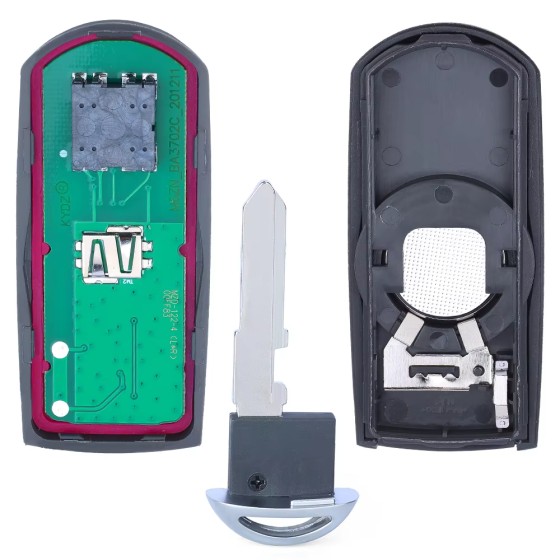
Inspect the transponder chip, usually visible through the plastic head of the key. Look for physical damage to the chip or its surrounding circuitry.
Check for corrosion on the chip contacts, which can prevent proper signal transmission. If the key has been dropped in water, the chip may have failed even if the remote still appears to function.
Step 4: Test with Another Known Working Key
If available, test the vehicle with another key that is known to work. This helps determine whether the problem is with the specific key or the vehicle's system.
If a known working key starts the vehicle, the original key has a transponder problem. If the known working key also fails to start the vehicle, the problem lies in the vehicle's immobilizer system.
Step 5: Check the Ignition Cylinder and Antenna Coil
The antenna coil surrounds the ignition cylinder and sends energy to the transponder chip. This component can fail due to wear, corrosion, or electrical issues.
Testing the antenna coil requires multimeter measurements of resistance and inductance. Specific values vary by vehicle make and model. Consult manufacturer specifications for the correct readings.
Step 6: Examine the Immobilizer Module
The immobilizer control module processes the transponder signal and communicates with the engine computer. This module can fail, though this is less common than key or antenna coil problems.
On some vehicles, the immobilizer module is integrated into the dashboard cluster or a separate control unit. Professional diagnostic equipment may be needed to communicate with this module.
Common Transponder Problems and Solutions
Problem: Chip Signal Not Detected
When the vehicle does not recognize the chip, several things could be wrong:
The chip itself could be dead or damaged, requiring key replacement
The antenna coil could be failing, preventing signal transmission
The immobilizer module could be faulty, failing to process the signal
Solution: Test systematically. Use another known working key to isolate the problem to key versus vehicle. If the key tests good, examine the vehicle's transponder system components.
Problem: Intermittent No-Start
Intermittent problems are often caused by loose connections or failing components that work when warm but fail when cold.
The antenna coil connector can loosen over time, causing intermittent contact. The immobilizer module may have solder joints that crack with temperature changes.
Solution: Examine all connectors in the transponder system. Wiggle connections while monitoring the system to identify loose connections.
Problem: Key Works But Remote Does Not
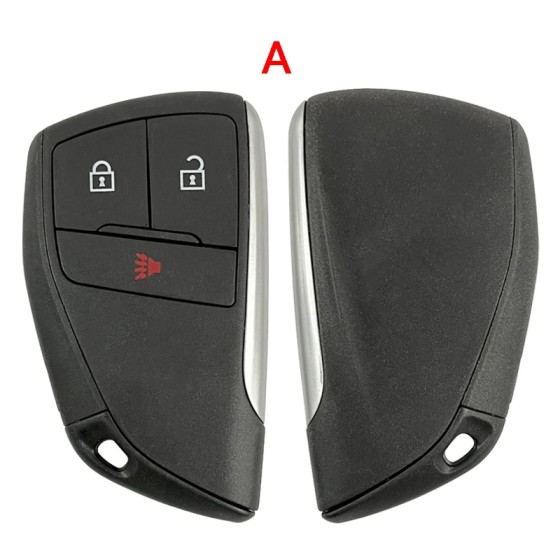
When the transponder functions but the remote buttons do not work, the problem is in the remote portion of the key, not the transponder system.
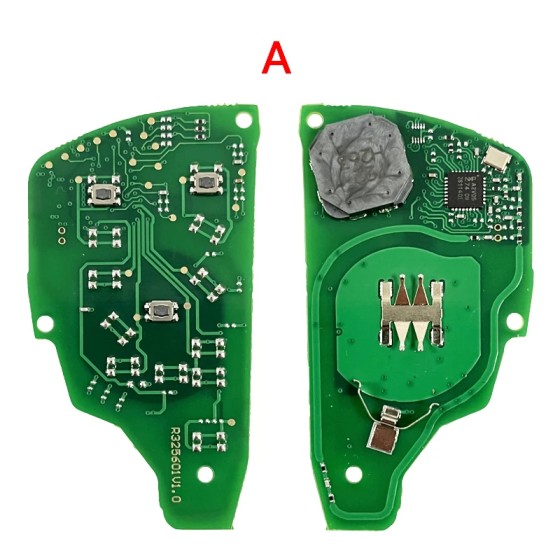
The remote circuit board may have failed components. The buttons may be worn or the contacts may be dirty.
Solution: Replace the remote head key or have the remote repaired by an electronics specialist who can work with surface-mount components.
Problem: Security Light Stays On After Key Replacement
After installing a new key, the security light may stay on, preventing engine start. This happens when the new key is not properly programmed or when the vehicle requires special procedures.
Solution: Verify the key is correct for the specific vehicle. Ensure programming has been completed successfully. Some vehicles require the new key to be registered in the system's memory through a specific procedure.
Diagnostic Equipment Recommendations
Essential Tools
Multimeter for testing electrical connections and component resistance
Transponder test light or reader to verify chip functionality
Scan tool capable of reading immobilizer data and clearing security codes
Key cloning and programming equipment for common chip types
Advanced Equipment
Oscilloscope for analyzing transponder signal waveforms
Advanced diagnostics like the OBD11, Autel, or OEM-level tools for deep system access
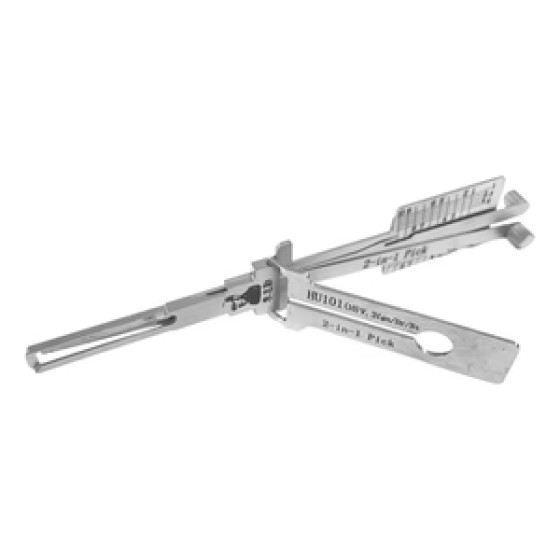
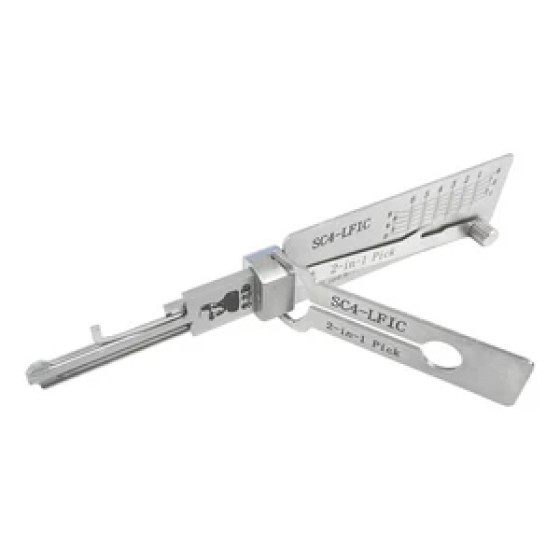
Lockpick tools for accessing ignition cylinder internals when diagnosis requires
When to Replace Keys vs. Vehicle Components
Key replacement is appropriate when: the chip is physically damaged, the key has been cut but the transponder fails, water damage has compromised the electronics.
Vehicle component service is appropriate when: multiple keys fail to start the vehicle, the antenna coil tests bad, the immobilizer module has diagnosed failures.
Never replace a key when the problem is in the vehicle's transponder system, as the new key will also fail.
Frequently Asked Questions
Q: How do I know if the transponder chip is dead?
A: Test the chip with a transponder reader or try cloning the key. If cloning equipment cannot read the chip, it is likely dead. Alternatively, try the key with another vehicle that uses the same chip type, if possible.
Q: Can a transponder key be repaired?
A: Some transponder keys can be repaired if the chip itself is intact but the surrounding circuitry has failed. Most often, key replacement is more reliable than repair.
Q: Why did my key stop working after I replaced the battery?
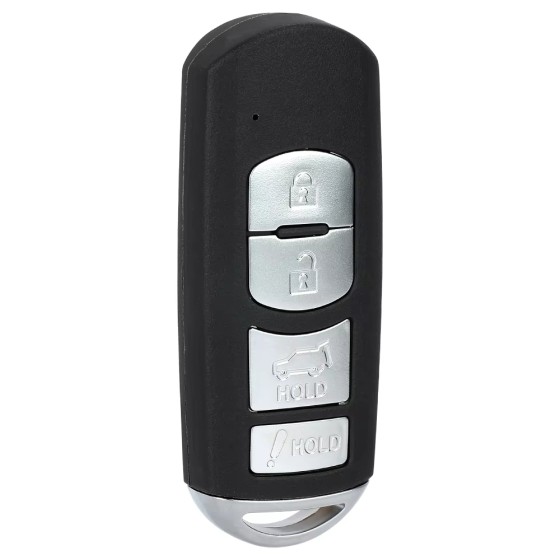
A: Some keys, especially smart keys with integrated transponders, may need to be re-synchronized after battery replacement. This varies by vehicle make and model.
Q: Can I bypass the transponder system?
A: Transponder bypass modules exist for remote start installations and problematic ignition systems. These modules send the expected signal to the vehicle, allowing starting without a valid transponder. Bypass should only be used when the original transponder system has failed and repair is not feasible.